
Introduction of Solids
Home > Infants
Introduction of Solids
When should I introduce solid foods to my baby?
From the age of 4-6 months, infants need solid food together with milk feeds to provide in all their nutritional requirements. The introduction of solids before the age of 4 months can cause damage to the digestive system. The gastro-intestinal tract and the enzymes to digest food are not fully developed yet. The kidneys are also not mature enough to excrete all the waste products from solid food before the age of 4 months.
When is my baby ready for solid food?
- Baby can sit upright with some support
- Baby shows head and neck control
- Baby shows interest in food
- Milk feeds does not satisfy any more
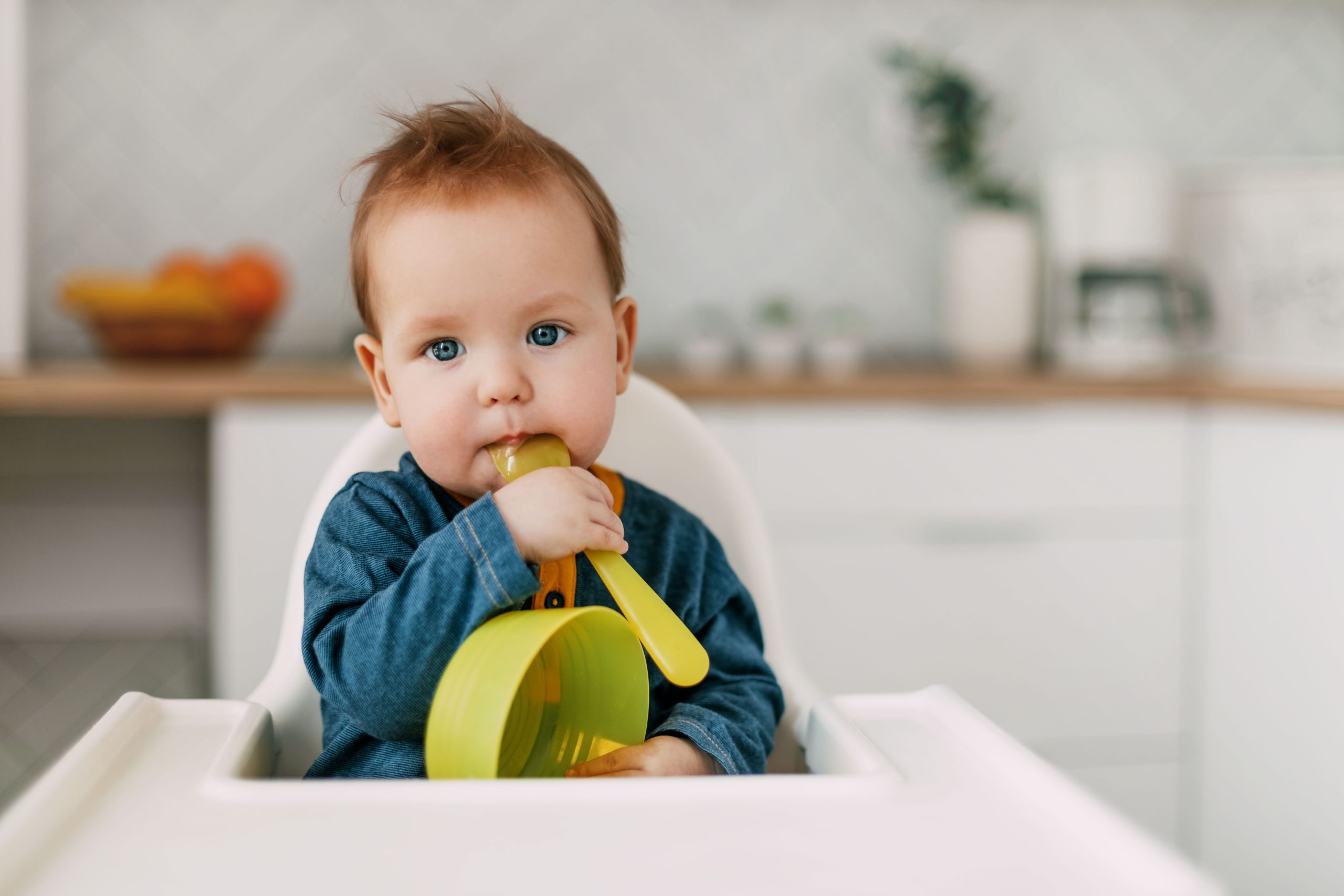
What should I give to my baby?
Fresh, home-cooked food is by far the best for your baby. It is colorant and preservative free and your baby gets all the important macro- and micro nutrients for their little bodies to grow! Your baby also learn to appreciate the different tastes and textures of food that will help to establish a healthy eater later on. Your baby’s taste pallet will be fully developed at 3 years of age, so do not miss this window opportunity!
Well-balanced
- Fruit and vegetables: Fruit and veggies act like “POLICEMEN” in the body. They contain a lot of vitamins, minerals and anti-oxidants to help protect against diseases. Try to give many different fruit and veggies with lots of different colours. Babies eat as much with their eyes as with their taste buds! Green vegetables such as broccoli, green beans, spinach, peas, gem squash, baby marrows and more can be given and is an important source of B-vitamins and iron. Red, yellow, orange- and purple veggies such as carrots, pumpkin, beetroot and more provide us with B-carotene and fat-soluble vitamins.
- Protein: Protein consist of building blocks called amino-acids. Protein are the “BUILDERS” of the body and are like “bricks” needed to build a house. They are important to build muscle, bones, teeth, brain and a strong immune system. Sources of protein include meat, poultry, fish, eggs, beans, lentils and dairy products such as milk, cheese and yoghurt.
- Starch: Starch is “PETROL” food and is important to provide “fuel” and energy for infants to grow and develop. You would want to introduce starches that provide energy for the whole day such as potatoes, sweet potatoes, rice, oats, mealie meal porridge and rice porridge.
- Fat: Fat are like “HANDYMEN”. They help to maintain the body in good working order. Fat is a good source of the fat-soluble vitamins A, D, E and K and provides energy for baby’s rapid growing body. “Good” fats are found in fish, avocado, eggs, butter and in oils such as olive oil and coconut oil.
The following should not be added to baby foods:
- Salt
- Sugar
- Honey
- Artificial sweeteners
- Tea and coffee. (It contains tannins which inhibit iron absorption from the gut. It also contains caffeine – a stimulant that babies cannot tolerate.)
